

1. Verify Mobile-First and Responsive Design Capabilities
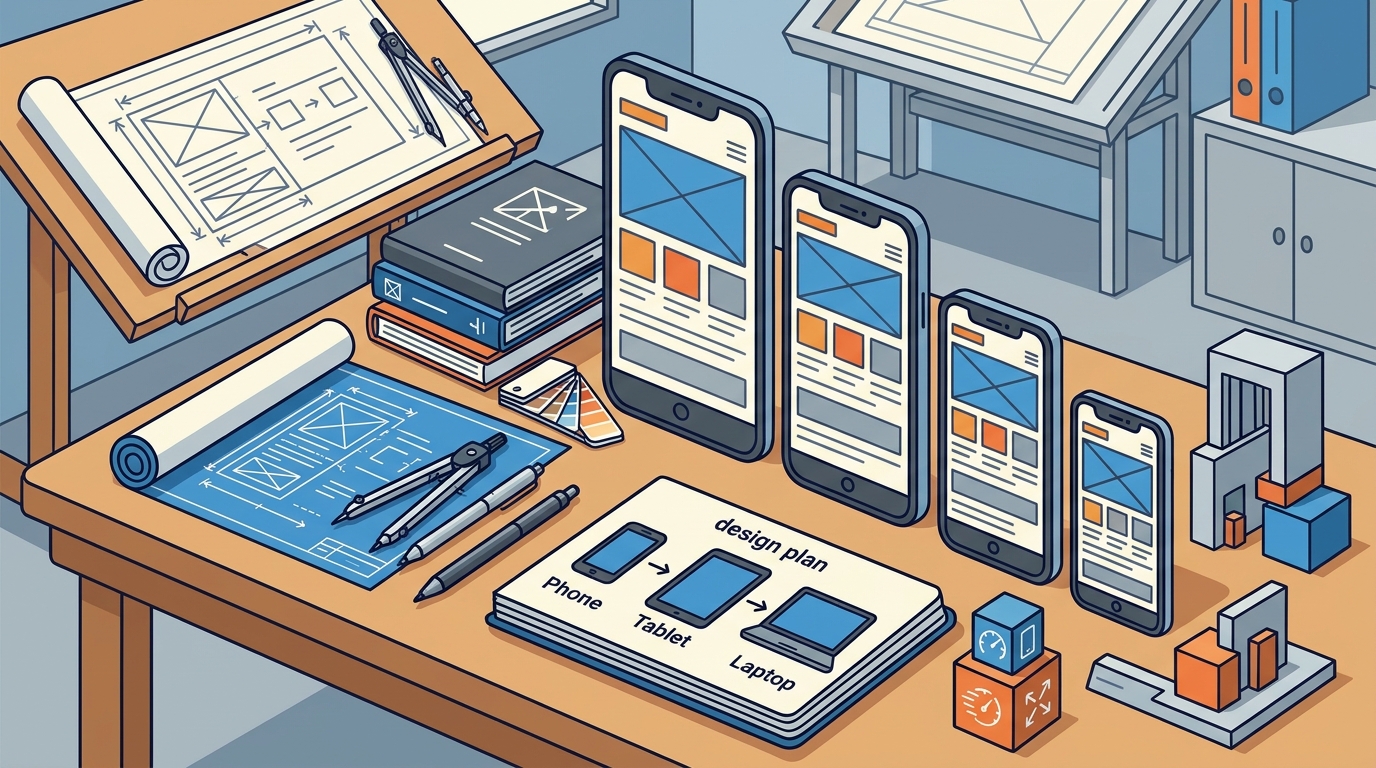
Mobile-first design is a development approach that prioritizes the mobile user experience before scaling up to desktop screens. This is critical because the majority of web traffic now comes from smartphones and tablets. A competent designer will ensure your site loads quickly and functions perfectly on any device without requiring a separate mobile app.
Look for a portfolio that demonstrates clean, intuitive navigation on small screens. If a designer shows you a beautiful desktop mockup but the mobile version is cluttered or slow, that is a major red flag. At Arthurs Creatives, we build professional, responsive websites that adapt seamlessly to any screen size, ensuring your customers have a smooth experience whether they are on a phone, tablet, or laptop.
2. Assess Communication and Project Management Style
Effective communication is the exchange of clear, timely information between a client and a service provider to ensure project alignment. Small business owners often lack the time to chase down updates or decipher technical jargon. You need a designer who proactively shares progress, explains technical concepts in plain language, and sets realistic timelines.
During your initial consultation, pay attention to how the designer asks questions. Do they ask about your business goals, target audience, and desired outcomes? Or do they only talk about their own technical preferences? A reliable partner will guide you through the process, reducing stress and ensuring the final product matches your vision. We believe in keeping our clients informed at every stage of the development lifecycle.
3. Evaluate Technical Expertise and Platform Choice
Technical expertise is the practical knowledge and skill set required to build, maintain, and optimize a website using specific software and coding languages. Not all platforms are created equal, and the right choice depends on your business model. For example, a service-based business might benefit from a flexible custom build, while an e-commerce store might require a specialized platform like Shopify or Wix.
Ask the designer why they recommend a specific platform for your needs. A good designer will explain the pros and cons of different options, such as WordPress, Webflow, or no-code platforms. They should also discuss how the site will be maintained and updated in the future. At Arthurs Creatives, we help small businesses choose practical platforms that fit their budget and operational needs, whether that involves custom web applications or established e-commerce solutions.
4. Check for SEO and Performance Optimization
Search Engine Optimization (SEO) is the process of improving a website's visibility in search engine results to drive organic traffic. A custom website is only valuable if people can find it. Your designer should have a solid understanding of on-page SEO, including proper heading structure, meta descriptions, and image optimization. They should also prioritize site speed, as slow-loading pages lead to higher bounce rates.
5. Understand Post-Launch Support and Maintenance
Key Takeaways
- Mobile-First is Non-Negotiable: Ensure the designer prioritizes mobile usability and responsive design across all devices.
- Communication Matters: Choose a partner who proactively updates you and explains technical details in plain language.
- Platform Fit is Key: The right platform depends on your business model, so ask for reasoned recommendations rather than default choices.
- SEO is Built-In: A good designer integrates SEO best practices from the start, not as an afterthought.
- Portfolio Review: Look at past work to assess design quality, functionality, and alignment with your industry.
Frequently Asked Questions
How much does a custom website for a small business cost?
Costs vary widely based on complexity, features, and the designer's experience. A simple brochure site might cost a few thousand dollars, while a complex e-commerce store or custom web application can cost significantly more. It is best to get detailed quotes from multiple designers to compare scope and pricing.
How long does it take to build a custom website?
Should I choose a custom build or a website builder like Wix or Shopify?
Who owns the website code and content after launch?
You should own all rights to your website code, content, and design assets. Ensure this is clearly stated in your contract. You should also have full access to the hosting account and domain name to avoid being locked in with a specific provider.
Can I update the website myself after the designer leaves?
It depends on the platform. If the site is built on a CMS like WordPress or a builder like Wix, you can likely update content yourself with some training. If it is a fully custom-coded site, you may need a developer for changes. Ask the designer about training and documentation they provide.
Conclusion
Choosing the right custom website designer is a critical decision for your small business's digital success. By focusing on mobile-first design, clear communication, technical expertise, SEO integration, and post-launch support, you can find a partner who will help you build a website that truly serves your customers. At Arthurs Creatives, we are committed to helping small businesses build a professional online presence that drives growth. To start your project, visit our website to learn more about our services.